Back home for breakfast, but on the way Chris Bahlo intercepted me and told me that Jodie
from Bushmans was waiting for me on
the Ballarat-Colac
road. Off to pick him up and then delivered two water tanks to Chris' site and two to ours:
And by that time, Norm had moved the shed 2 m west. I couldn't complain about that: that's
the way it's on the plan, but not the way I wanted it. It'll take a corresponding amount
out of the garden south of the house.
Martin and friends, the plumbers, were also there finishing things off. It seems that the
solar hot water panels are smaller than we thought, only 1×2 m, so there was plenty of
space:
Time for breakfast? No, Martin needed more water, so off to get that for him and back
again. Only then back home and finally got some breakfast, and was just preparing to go
back again to meet up with Jim Lannen, the electrician, when Norm called up, finished, and
wanted money. Over to pay him, then waited 30 minutes beyond appointed time for Jim before
returning home again. Another half an hour and I was over there with Jim, where we didn't
get far beyond agreeing on the details of the wiring.
Back again in the evening to take the dogs for a walk. Seven journeys! It's only 2.8 km
each way, but with the delivery to Chris' place it made for a total of 48 km. What a day!
Into town for a blood test this morning, and also had a haircut. On the way passed the
building site, where the air conditioning people were busy. Looked in again on the way
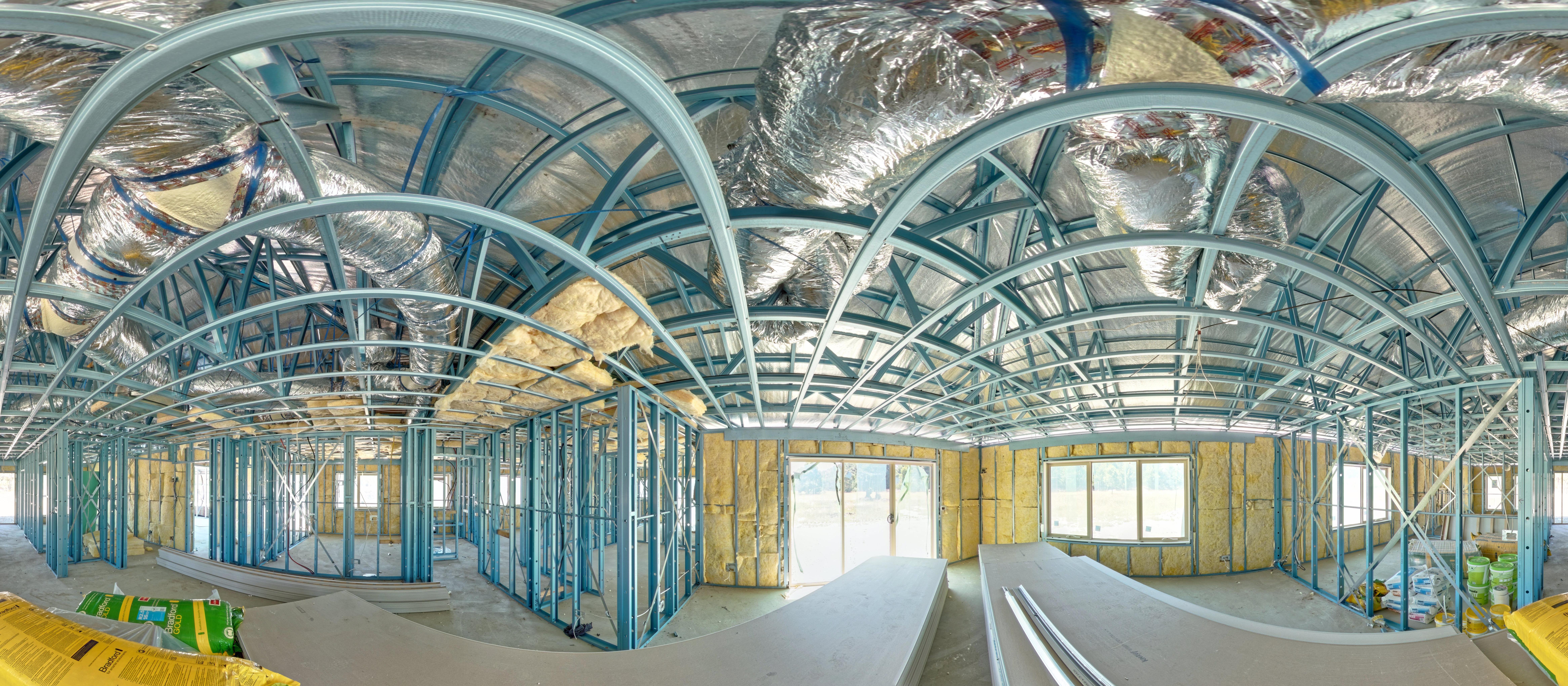
back, where Jim Lannen was also putting in some fittings. By evening they had finished the
ducting for the air conditioners:
Gradually we're seeing some conflicts. Last week I discovered that we couldn't
put the external gas cylinder where I wanted it, because regulations had to keep them away
from windows. So we put it on the south side of the garage. Now we discover that the air
conditioner compressor, which is also on that wall, needs to be 1.5 m away from the gas
bottle, and that would put it in front of the fire-fighting tank. Yes, that can be done,
but it seems silly. The alternative would be to move the gas cylinder further east and put
the compressor where we had planned to put the gas. Not a big deal—except that the plumbers
left yesterday, and they won't be back until final fit.
What do to? Spoke to Duncan, who found that they will charge $200, mainly travel time, to
come and move it. Can we live with the air conditioner to the east? I haven't made up my
mind yet.
One of the conditions for our planning permit was imposed by the CFA: provide a 10,000 litre (neither more nor less)
steel or concrete tank with water reserved for fire fighting. Where can you get steel
tanks? Nobody in town has them, and they couldn't even tell me where to get them. While
trawling the web, found this
site, which carefully avoids mentioning prices, and also this PDF from the CFA explaining details. It contains this warning:
WARNING: Do not print and store a hard copy of this Fire Service Guideline. Online
version should always be used to ensure the Fire Service Guideline is the latest version.
What kind of nonsense is that? You find yourself in an emergency situation, power down, and
you have to go to a web site to download the document again? Sometimes I wonder how many of
these bureaucrats have ever been in a fire emergency.
It's been about 40 years since Australia converted to the metric system. Really? No, it's
just superficial. I've ranted in the past about how timber is sold in lengths that are a
multiple of 30 cm (for example, 1.8 m and 2.1 m, but not 2 m), a leftover from
the foot. And a typical bucket has a
volume of 9 litres (2 gallons), not 10.
Typical house water tanks are 22,500 litres (roughly 5,000 gallons). That irritates me.
When we bought our water tanks, I took a more logical option: 25,000 l. That also stores
more water, of course. But is it metric? This is what's written on the bottom of the
tanks:
Top left: “5500”. That's gallons, and it corresponds (according to units(1)) to 25003.497
litres. While they sell the tanks in metric units, they're clearly thinking in Imperial
units.
Over to the site round midday to talk to Karl Waldron about the location of the air
conditioner external unit. He took a screwdriver and moved the gas connection about 1.5 m
to the right:
We're taking the dogs to the Stones Road site for walking in the evening. Today Yvonne put the dogs in the car, but it took me a while to find
Zhivago:
Call from Walter Bonilla of the National Broadband
Network today, reminding me of the network installation for Stones Road tomorrow. I
had to remind him that we had already spoken, that there was
no wall to attach the NTD, and
that he was supposed to get the techies to call me. He volunteered the information that the
installer was called Adam, and yes, he would call me before they came out. Somehow this
organization sounds just as bureaucratic as all the others I have to deal with.
Over to the building site this morning to meet with Duncan and discuss the bleak situation
finding builders prepared to work over Christmas and the summer holidays. He was happy
enough about the relocation of the gas supply, so that's one less problem.
Jim Lannen was there too with his apprentice, and they got as far as putting in
the Cat 6 cable.
But still no power! Discussed with Jim and Duncan, who both agreed that a call to John
Willowhite of Powercor was in order. But
as I was leaving, I discovered an extension cable in front of the house, and sure enough:
Walter Bonilla of the National Broadband Network had promised me—twice—that Adam, the network installer would call me before attempting an
installation. The installation was due for this afternoon (starting at 13:00), but it
wasn't clear if they would show up, and I didn't want to spend the afternoon waiting for
them, so printed out a sign asking them to call me, and over to the site to put it next to
the door.
When I got back, Yvonne was on the phone with Jack, the real
NBN installer, who had just arrived. Back again and talked to them: no Adam, just Jack and
his red-headed mate who did our installation last year. They had no issues with
installing the equipment in a house with no walls:
Once again a complete disconnect between the bureaucrats and the people who do the work.
The only problem they had was that they didn't have an extension cable, so back home Yet
Again to get one.
This was the third installation I've experienced, and there's nothing much to say about it.
Signal strength was -86 dB, enough to drive all three signal strength lights on
the NTD. And no, the installers didn't
know what the LEDs really meant. This one is different: only the STATUS light
flashes, whereas on the other two I have seen it flash alternately with the ODU
light. Jack told me that nobody had been able to explain it to them either, not even the
manufacturer's representative, but from observation the flashing ODU light seemed to
depend on the exact antenna (“Outdoor Unit” or ODU) that they installed.
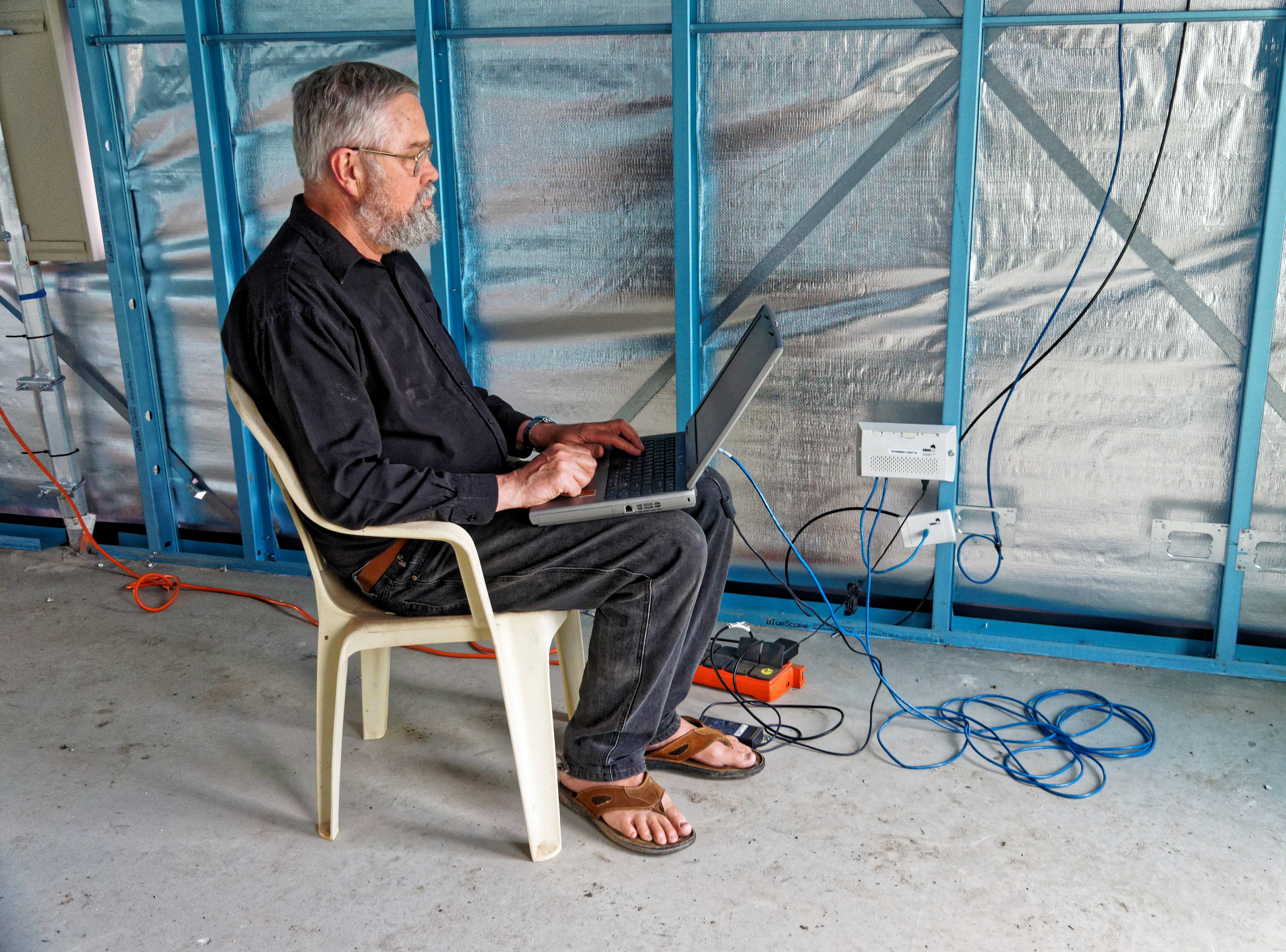
Back later in the afternoon with eucla, my ancient laptop, and connected up with no
further issues:
Now that we have a network connection, the obvious thing to do is to set
up VoIP to make up for the appalling mobile
coverage in the area (thanks, Wendy). All I
need is an ATA. After
last month's damage, I only
have one, with the other on order. But what's wrong with the defective one? No power
indication. Is it possible that there's a fuse in there somewhere? Took it apart and
examined the board:
Sure enough, there's a surface mount fuse just next to the power connector at top left.
Unfortunately, it wasn't blown. “For every problem, there is a solution that is simple,
elegant and wrong”
It's been
12 months since I got my
Olympus OM-D E-M1.
I've taken round 16,000 images with it. And I still don't understand it. How I wish it
came with documentation.
It's going to be a busy weekend for Yvonne: she's off
to Warrnambool for a horse “clinic”
with Robyn
Hood, and Margaret Swann arrived this afternoon to accompany her.
Today was the day that Simonds were due to
commence work on Chris Bahlo's house. How far did they get? Nowhere. But as I see it,
announcing the start date means that the clock is ticking, and according to the contract
Chris will be able to move in in 98 days, on (Friday) 13 March 2015.
Is that an omen?
Jim Lannen along with an invoice and the information that his apprentice was over there
putting in the wiring, so over there to talk to him about some minor details. Duncan has
told them that they have until the end of next week, and it seems that Jim is taking
advantage of that.
Yvonne and Margaret off
to Warrnambool early this morning,
midst pouring rain—in the 2½ hours it took them to get there, we had 7.8 mm rain. Hopefully
things were better in Warrnambool.
The weather was so bad that I had to stop my weekly photos after a single view, which I used
to compare HDR and normal exposures:
The first is clearly the HDR version. Run the cursor over either
image to compare with the partner. And it makes it clear that the HDR version
is worth the trouble. It's also interesting to note that the normally exposed version had
an exposure of 0.3 s; there was also a third with an exposure of 2.5 s, which contributed to
the shadow detail:
Another dreary, moist day, and somehow got nothing done. About the only thing of interest
was when Luigi Rizzo and his friend Valeria came for dinner. Spent some time showing them
some kangaroos which had obligingly appeared in the north paddock, then Yvonne and Margaret Swann returned
from Warrnambool, where the weather
had been better. Had dinner, and Luigi and Valeria were off again.
For some time we've had problems with the drain from the laundry, and also in the kitchen,
which feeds into the same drain. Last month Mari Hendriks came
to take a look, but he didn't have the tools to do the job. Since then it has got to the
point where the kitchen sink hardly drained at all.
Today I finally got round to doing something about it, and checked the web. The specialist
people have cameras they send down the drain to see what's wrong. After a bit of
consideration, called Ballarat Emergency Plumbing, who promised me a fixed price ($250!) and service by
14:00 today.
They arrived just before that time ran out and took a look at the laundry drain first:
Almost before I knew it, they had got rid of the blockage, which they say was near the
entrance to the septic tank, nowhere near where I had expected it. But the kitchen sink was
still as blocked as ever. It took them another 20 minutes to discover that it had a
separate entrance to the sewage, dig it up and clean it out:
As I had expected, it was full of fat. What a mess!
The total time they spent was less than half an hour. Was that worth $250? I think it was.
If Mari had done it, he might have had to dig up under the verandah, and it would have taken
him hours, for which he wouldn't have been any cheaper. One load off our minds, anyway.
Bram Gunn along this afternoon to arrange the sale of our present house. To my surprise, it has been nearly 2 years since we first talked to
him about selling the house. And in that period he hasn't changed his estimation of what we
will get for it.
Last week Norm Baker
promised to move the water tanks for me when he had finished the shed slab, so we left them
in front of the house. But he didn't move them, promising to do it when he scored the slab.
Gradually things are getting urgent, so I went over with Chris yesterday, but we couldn't
budge the things. Today called up CJ and arranged to meet him. I thought here, he thought
there, but I arrived there just as he was leaving. Still only two of us, but this time we
tried a different method, and finally got them on top of the slab, where Norm has had
thoroughly inappropriate grooves cut into the slab:
Our electric fence actuator is older than the hills. Well, older than our presence in
the Adelaide Hills. We bought it
second hand over 17 years ago, and it's no longer packing much of a punch.
It should be clear before looking further what the problem is: the electrolytic condenser.
In many ways, it's like an electronic flash gun. And since these devices cost a surprising
amount of money, it seems worthwhile replacing the condenser.
The unit is amazingly primitive. I suppose the inscription “solid state” gives an
idea of its age: at a time when transistors were something new. But even so, it's a mess:
The condenser itself is only 12 µF, but 600 V DC (also with an AC rating, which doesn't make
much sense here). But at rated voltage, that's only 7.2 mJ, a far cry from the claimed
ratings of modern units, 0.1 to 0.5 J.
Into town to get the results of my blood tests. Better than the last one, with the
exception of the Vitamin B12 values,
which are low. Funny, I've been taking vitamin tablets with 5 “mcg” (i.e. µg) B12 in them
for over a year now. But Majid says that it needs to be injected, so I'll be in for a few
monthly injections. Time to find more about the issues.
Horse Property on 20 Acres (approx) with Large, Period Home
This attractive property would ideally suit a serious horse enthusiast with a family. An
efficient bore is in place (1,800L/hr). The large house features: 4 bedrooms (ensuite and
WIR to master); 2 study/office areas; formal lounge; living room; dining room;
well-appointed kitchen with gas cooktop, electric oven and dishwasher; polished timber
floors in most of the living areas; 2 electric split systems; ducted LPG heating; wood
heater and open fire; solar/electric HWS and verandahs overlooking the extensive
gardens. The land is well fenced, has a large dam, numerous paddocks, horse shelters and
yards, assorted sheds, tack room. small hay shed, fresh-water tanks and a garden sprinkler
system. The cottage style gardens add to the serenity of this rural lifestyle property.
It'll be interesting to see how that pans out. Last time, almost exactly 8 years ago, I tried to tell the estate agents what to do. I don't think
that was to anybody's advantage, and this time I'm leaving it entirely to Bram (20 acres?
What's that? It's 8 ha!).
Call from Karl Waldron today about the wiring for the air conditioner controls. He had
asked Jim Lannen to do it, but without giving him (or me) enough information to understand
what was to be done. There are two different sets of control cabling: one between the
internal and external units, a single
pair STP cable,
and the cables to the temperature controllers, which
are Cat 5E. For some reason
Karl is happy to lay the latter, but not the former. He sent me the wiring diagram, which
of course doesn't show the physical location of the connectors, nor the nature of the plugs.
Called up Actron and spoke to Vijay, who
put me through to Luke. Yes, it's standard STP, and apart from a metal P clip for the braid
at one end, it's screwed directly into the units. A lot easier than
putting RJ45 connectors
on the Cat 5. Why doesn't Karl want to do that?
It's interesting to note how many beer cans we find on the road when walking the dogs. And
although I wouldn't spoil a good story by sticking too accurately to the facts, it's really
true that so far all the empty beer cans I've found are from Fosters breweries, who now seem to be calling
themselves Carlton & United Breweries again.
25 µF? The capacitor I took out was 12 µF, and that's what the replacement is. Why? The
whole board looks as if it might have been modified. Can this board still handle a 25 µF
capacitor? To be considered.
Called up Duncan about that, and he says he'll put them in tomorrow.
Jim has now finished the preliminary wiring, including a surprisingly
thick STP control
cable for the air conditioning. Where are
the Cat 5E cables? That's Karl
Waldron's responsibility. Called him up and he told me that he would install them ”later”,
presumably when he installs the equipment. Why? It seems he has the cables on order,
apparently pre-terminated, and they haven't arrived yet. Somehow cabling seems to be more
of an issue than makes sense.
Since we sold Tanya we've only had three dogs
to walk, and that has been a handful. But since Chris Bahlo's dog Vito died last month, the other dog, Nina, has
been getting closer to our dogs, and for the past few days she has been coming on walks with
us. At least she listens when Yvonne calls her, so she's not
that much of a burden. But we can see the differences:
Chris received a message from Nicole at Simonds today: it seems that the storm water calculations are so complicated that
they've been working on them for two weeks.
What kind of nonsense is that? Firstly, there's nothing complicated about Chris' property.
If it takes their designers 2 weeks, that's their problem, not Chris'. I hope they're not
going to use that as an excuse to delay the completion date. That would be worthy of a
complaint to the ACCC.
Nikolai continues to be a problem: when we
let him off the leash in the open, he doesn't come back until he wants to. Fortunately he
usually does want to, but we want to be able to rely on him. We can let him loose in the
Stones Road property, which is properly fenced—except that he has taken to chasing the
horses. We're planning a couple of sessions with Chris Bahlo and a stockwhip, which should
solve the problem, but in the meantime he's on the leash most of the time.
This morning, while walking the dogs, Yvonne suggested I let
him off the leash. Off he went into the bracken, not fast but far. And we didn't see him
again. Calling didn't help, and we went home without him. I then set off in the car and
found him only a couple of hundred metres from the house; he couldn't have been more than a
minute behind us. Does that count as a runner or a lack of patience on our part?
A year ago today my network
problems were solved with the installation of National Broadband Network fixed wireless. What a relief it was. It still is, and
that's why we had the second installation done in Stones Road last week.
Why so early? I don't trust the current government not to kill off new installations on the
NBN. With good reason, it seems, if this article is to be believed.
That's from The Register, not exactly
the most neutral of publications. What's behind it? Should a country nationalize Internet
topology? Australia has a particular problem because, although it's a highly developed
country, the population density is very low, which makes it expensive to provide fair
network access to people outside the towns. But probably the real reason was that past
governments have
allowed Telecom
AustraliaTelstra to provide both
network infrastructure and also end user services, an obvious conflict of interest.
The clear solution then would have been to split Telstra into two different companies, so
that the network infrastructure provider would not favour the end user service provider. But
the last government decided instead to implement the NBN. It seems to contradict the
concept of internetworking. But it works, and given the inability of all governments to
implement a fair and functional network infrastructure, it might be the best way.
Bram has a prospect for our house already. They'll be coming on Monday. Sounds like good
news, but it means that we're going to have to tidy up the incredible mess that the house is
in. What a pain!
Craig Mayor over this morning to help tidy up the house in preparation for sale. He got a
lot of things done, while I got relatively little done inside. At the end of the day,
though, things looked a lot better.
The new house looked no different than on Thursday, though: the ceiling insulation still
hasn't been installed, and the noggings for the TV are still missing:
Kassler for dinner again today. My
cooking time page suggests 75 minutes per
kilogram, but normally a roast is quite small. Today it weighed 555 g. So 42 minutes?
Yes, although the diameter was quite small, that worked out. I still don't understand why
it takes so long.
Craig and Leah Major over today to help tidy up the house in preparation for the inspection
tomorrow. They stayed all day, and the difference was obvious. I spent most of the day
tidying up the incredible mess on the dining room table. I didn't finish, but by the end of
the day the table was clear, so once again we could eat there, just in time for Chris
Bahlo's birthday dinner.
The stormwater drains, shown at bottom left, run parallel to the house front and directly
under the bricks. That's exactly what Mari and Warrick were worried about: put a heavy
weight on top of the freshly laid drains and damage them. How do we know if they've been
damaged or not? It could take years to find out.
Over with Chris Bahlo and the dogs to the Stones Road property today. Chris brought her
stockwhip and waited for the dogs to chase the horses. Crack! And suddenly the dogs
weren't interested any more. Admittedly, it made a lot of noise, more like a pistol going
off. Clearly a success—Nikolai even came to
me immediately when I called him.
On the way home, Chris was examining her whip. Needs a new cracker: this one isn't loud
enough.
Over to Stones Road in mid-morning to find Duncan attaching two pieces of wood to the wall
of the “media” room to attach the TV. They don't look very even:
Yes, the meter box is in the way, but do the columns have to be at such an angle? It's a
good thing none of this will be visible when the house is finished.
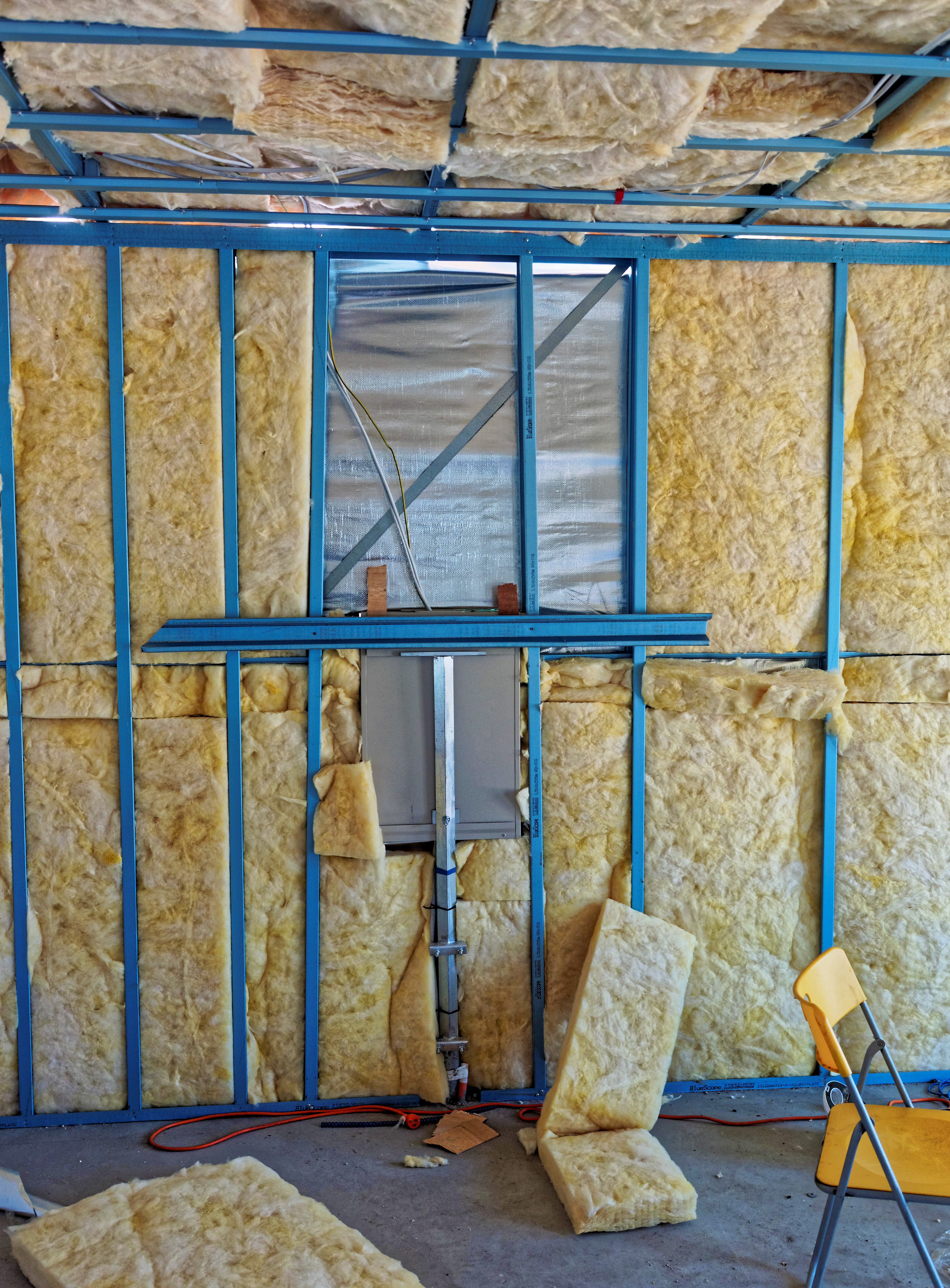
The insulation is now finished, so they tell me. No insulation at all in the inner walls,
probably a throwback to the days when Australian houses were heated from one room only. And
for some reason there's no insulation behind part of the bath:
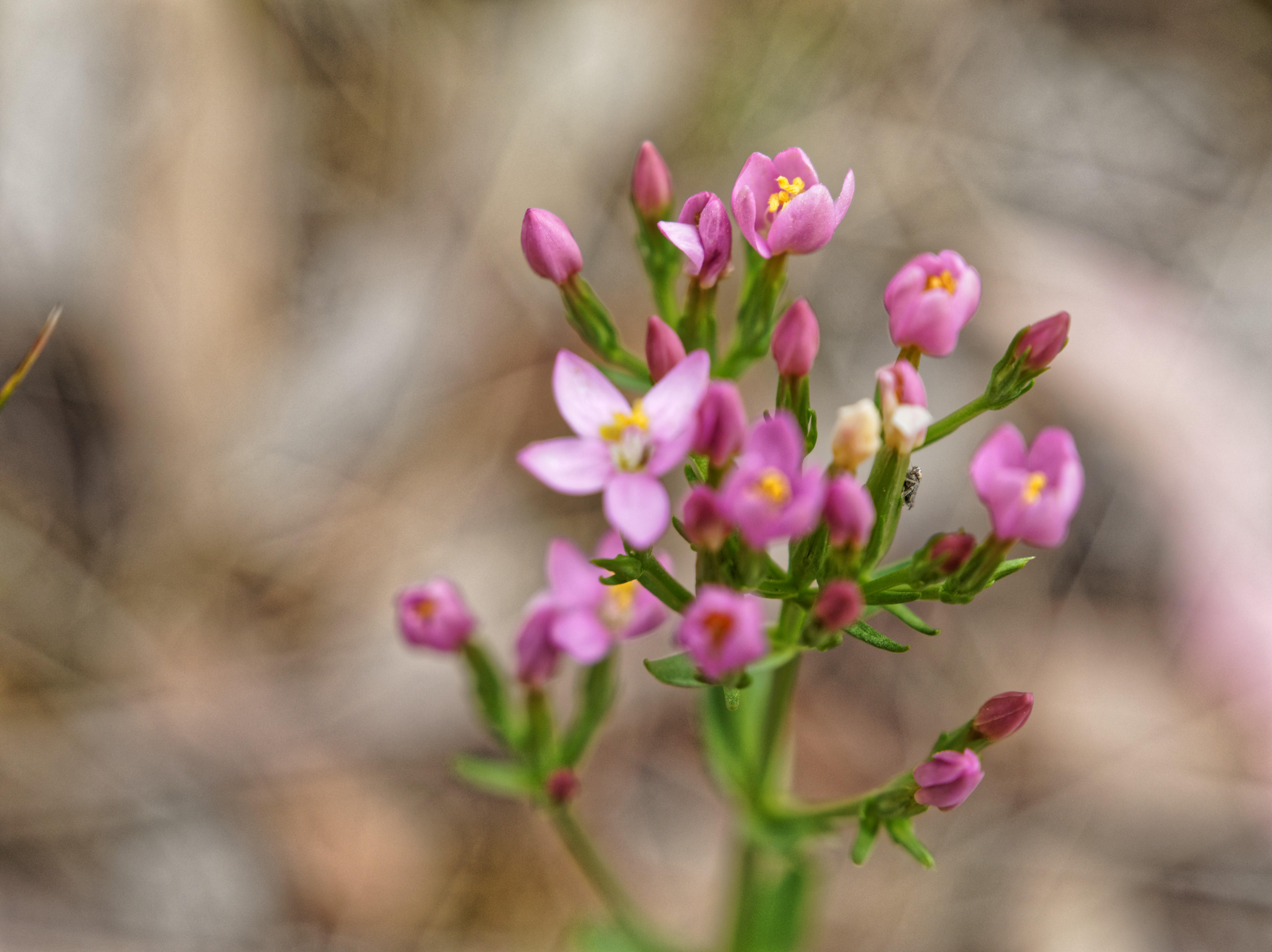
Middle of the month again, time for garden flower photos. We're gradually coming to the end of this garden, and this
year didn't look very different from last year. About the only things of interest are the continued recovery of
the Tree fern and the vigour of
the Clematis:
This morning a relatively mild case of hostage taking in
a Sydney cafe finished after over 16
hours. A mentally disturbed
man with a shotgun took 17 people hostage in the middle of Sydney. In the course of
freeing the hostages, two of them died: the manager of the cafe, Tori Johnson, was shot, and
Katrina Dawson died of a heart attack. The perpetrator was also shot dead by police. The
exact details are still sketchy, as is the reason for the incident.
That's really unusual in Australia. In the USA, it seems that mentally disturbed people
shoot people all the time, to the point that they don't all get reported. But the
world-wide reaction was immediate. The perpetrator had a black flag with
the shahāda hoisted in the
window. The incident happened—probably not by chance—immediately opposite
the Seven Network newsroom, so
there was plenty of TV coverage, clearly reporting
the ISIL
flag. Muslim terrorists!
ISIL is enough of a problem already, but they had nothing to do with the incident. This
kind of incident and reporting
discredits Islam. All relevant Muslim
representatives unequivocally condemned the incident, of course, but the damage could be
done. And it's just too easy for mentally disturbed people to perpetrate this kind of
atrocity.
I don't have an answer to the problem—who does? But today Yvonne told me that she had heard from Jenny McArdle, now
in New Zealand, who apparently has
worked both at the cafe and at the chambers where Katrina Dawson worked, and she knew both
the victims. How much closer does that bring the matter? It certainly changes the
perspective.
A year ago today we
committed to buying the new house. At the time we were expecting to move in in September,
and we found that slow. And what do we have to show for it now? A frame with a few bricks
around it?
It'll still be March before we can move in, and I wouldn't hold my breath about that. But
the brickies are making progress, and for some reason today they put a fence around it. I
wonder why.
Fortunately it wasn't damaged, but it's clearly time to put the tanks in place and get some
water into them.
Craig Mayor and his mate Bill along today to look at the plans for the shed. Sure, no
problem, they can build it. But not until the New Year! I could have sworn that Craig had
said something about next week, though of course the first day of Christmas falls pretty
much in the middle of the week. Somehow this shed is much more pain than I had expected.
On IRC, Gregory Orange was talking
about sourdough. He had found a
web site with instructions.
I've been there before, and I still
find it complete nonsense. Pointed people at it, and on Peter Jeremy's suggestion collected
the diary entries into a rant.
The grey cards I ordered some weeks ago are now here. I wanted to use them to understand
flash exposure. First, though, understand any kind of exposure. If I take a correctly
exposed photo of a grey card, what should the resultant image look like? My first
assumption was that the pixel values in
a JPEG (range 0-255) would all be 128. But
is that right? This page refers
to a 12% grey card (most, like mine, are 18%), but suggests generating a “centred value”,
presumably in the histogram, for an 18% card, or maybe measuring the 18% card and then
opening ½ stop. But then this page by the same author shows a histogram with the pixel values closer to 110, so maybe what
he's saying is that an 18% card will be underexposed.
This page goes into more
technical detail, but his calculations in obsolete units cause my eyes to glaze over. He
does, however, claim that camera meters are calibrated for 12% grey cards, and that
measurements of a grey card will be ½ stop underexposed.
OK, we can test that. I did some test shots just of the card, illuminated by the modelling
light of one of my studio flashes, to see what camera and hand-held meter made of it. I
used the E-30, the
E-M1 and the
E-PM2, in each
case with the same lens, the Zuiko Digital ED
12-60mm F2.8-4.0 SWD, using both centre-weighted and spot measuring modes, as well as
the Sekonic L-308S exposure meter in incident and reflected modes. The results
in EV, corrected for the same
sensitivity (I had accidentally left the E-PM2, Yvonne's
camera, set to Auto ISO):
Device
Centre-weighted
Spot
E-30
6.0
6.0
E-M1
5.7
6.0
E-PM2
5.7
5.7
Incident
Reflected
L-308S
6.2
6.1
Given that the resolution of exposure in the cameras is ⅓ EV, that's quite a good
correlation. And it refutes the claim that exposure meters will show different values for
reflected and incident light.
How do the images look? How do you tell? Every raw converter worth its salt makes
assumptions that aren't helpful here. So I took the images in JPEG as well. The results,
though relatively consistent, weren't quite what I expected. Here from left to right the
DxO Optics “Pro” histograms for the E-M1, the E-PM2 and the E-30:
The E-M1 and E-PM2 produce almost identical results, while the E-30 shows higher values.
But the white balance is completely out of whack! Why? It was set to Auto, and you'd
expect it to treat a uniformly coloured surface as grey. Back to the drawing
boardtripod with the E-M1 and first set custom white balance. That looked better:
But now the peaks are to the right of centre. Why? It's not the exposure, which is
unchanged. It was, however, shot in aperture priority mode at round f/8, while the previous
ones were shot in P mode at f/4. Many lenses don't deliver their advertised maximum
aperture and thus underexpose in these circumstances. Is the lens getting in the way of the
measurement?
At the end of the day I'm not much closer. One thing's clear: with my cameras I can't
really get much closer than ⅓ EV to the correct exposure, because that's the granularity of
their settings. Never mind if the exposure meter tells me f/4.1 or f/4.2 (the latter being
decimals of an EV), I can't set that. And then there's an obvious discrepancy between the
E-30 and the other two, suggesting that it's roughly ½ EV more sensitive than the other two.
DxOMark disagrees and finds that all three sensors are very close together (click on
“Measurements” to see the graph reproduced below), and that they're roughly 1 EV less
sensitive than claimed:
So what's the answer? There are too many variables, and fortunately it's not usually
necessary to go to this level of measurement. But it means that my flash measurements will
be even less useful.
Last winter we had
issues with biodiversity offsets, apparently because of the kinds of grass we had on the
property. At the time there was almost nothing to go by. Not so now:
The grass is about 50 cm high. But what is it? It's neither Kangaroo grass,
Wallaby grass nor Achnatherum
calamagrostis, which is probably what they mean by “Spear grass”. I still can't find a
reliable illustration of “Blue devil”, but it seems to
be Eryngium fontanum, related to
the Eryngium bourgatii that we
have in the garden:
Into Ballarat today armed with 3
ampoules of Hydroxocobalamin, a
form of Vitamin B12. I've been diagnosed with Vitamin B12
deficiency, a surprisingly scary condition, and I'm getting the ampoules injected over
the next 2 months. The good news is that that should be sufficient Vitamin B12
for the next three years, so I'm not in danger, but how did it happen? Most of the causes
don't apply to me, so we're doing yet more blood tests, looking for levels
of homocysteine, gastric parietal
cells and “intrinsic factors”, whatever that may mean. Isn't growing old fun?
In passing, Cobalamin is a strange
substance. It contains cobalt, not a
typical element in living tissue, and even the 0.1% solution is bright red:
Bram Gunn along with a couple interested in buying our old house today. We had to vacate
the place, but we saw him afterwards, and it seems they're interested enough to want to come
back on Monday and take another look.
It's coming up for Christmas, time for our annual Christmas letter to our friends. Last
year we wrote that we expected to be in the new house by now, so we thought it
appropriate to take this year's photo there:
This wasn't the only photo we took, but none of them were better. Why? This year we had to
get three dogs to stand still instead of only one year, but a big issue was controlling the
camera:
The camera no
longer has an infrared remote control: instead you control it via
an 802.11 link. The claim of networking
was one of the reasons I bought the camera, but it doesn't support networking, just the
single 802.11 link to a smart phone.
If that weren't enough, the app is typical Android: it seems to have
been written in a different universe. It changes camera settings (insists on storing
a JPEG image that I can then throw away),
displays the taken image even when the camera settings tell it not to, and does it so slowly
that the camera, which normally can take up to 10 photos per second, can't manage more than
about 0.2 photos per second with remote control. And of course there's no tactile feedback
when you press the shutter release area on the screen, and the camera is so quiet that you
don't know whether you've taken a photo or not without looking at the phone.
That's nothing new: last
year I had exactly the same problem. It's a crying shame that they can't do better.
The brickies are still working on the house, but there are only two of them, and I don't see
them being finished before the first week in January. They've managed to dislodge some of
the wall insulation above the fuse box:
According to Simonds, they were due to
start building Chris Bahlo's house on 5 December. They have a guaranteed
build time of 14 weeks, but
they ran into trouble because their engineers didn't know how to design drains. In the end,
after they had drained the water in the wrong direction, Chris gave up. But now it's
Christmas time, and the current state of play is:
They're now shutting down for Christmas until 5 January 2015 (JG King aren't), so it will be at
least a month since the announced start of construction before they actually do anything. I
wonder if they have put some excuse in the contract, or whether they will really build the
house in 10 weeks.
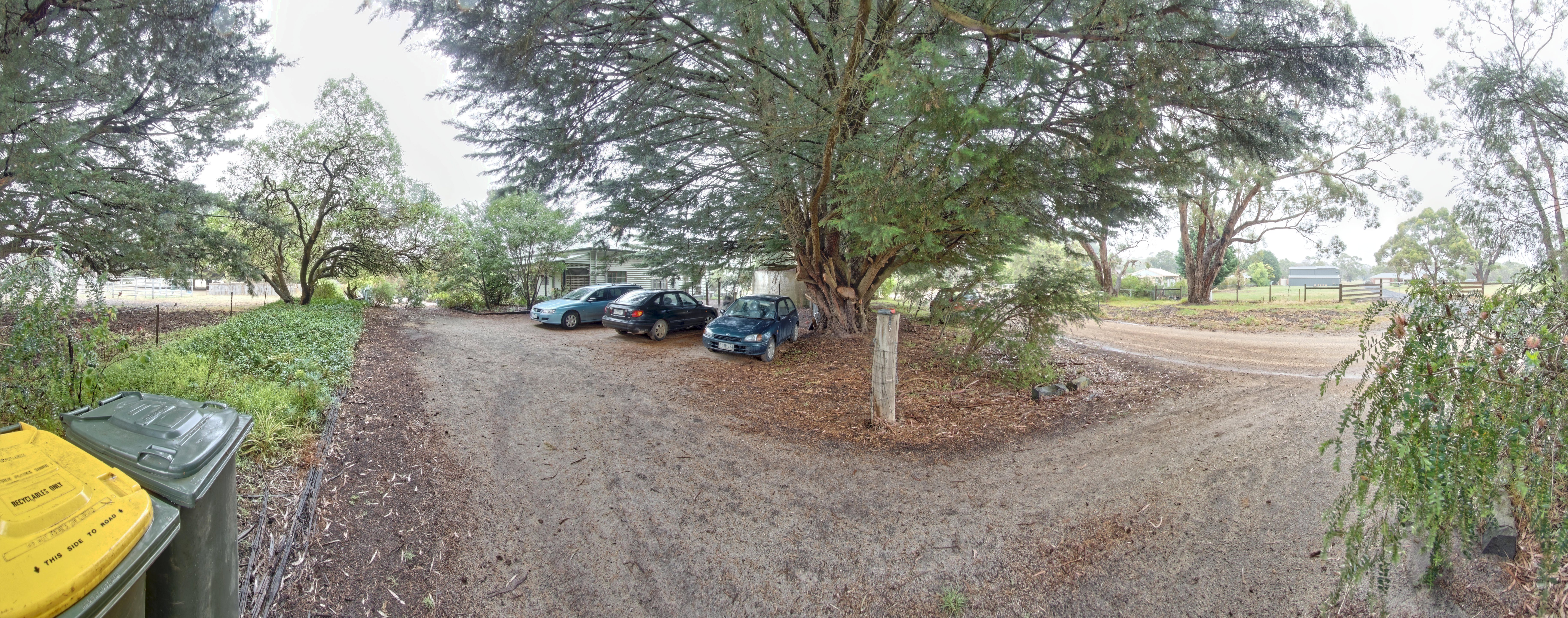
I counted a total of 37 sheep. I've grumbled about this before. Is it just that the Yeardleys
are unaware of the fact? Hardly. Looking at the panorama, I see in the distance on the
extreme right:
That's David and Tuyết in their driveway, presumably just back from shopping and (not
visible here) looking in my direction. At least they have seen me, so it's going to be
difficult for them to claim that they were unaware of the problem. It'll be interesting to
see whether they now do something about it.
Over with the dogs to the Stones Road property today to let them run around. But they
didn't. Nikolai went into the house and
hardly came out; Leonid ran around in the
front part (as we wished), but not much. I think that the lesson Chris taught them
last week was
almost too good. Now we'll have to show them how far they can go in the back paddocks.
It's been some years since I last tried to cook
rendang daging lembu from the cookbook
”Makanan Lazim Malaysia” (Vista Productions Ltd., Singapore, 1980). It wasn't a
success: too much pepper, too much onion. So put it off for a long time.
In the meantime we have the sous-vide
cooker, which also claims to be a “slow
cooker”. At any rate you can cook in it without a vacuum bag. And that's pretty much
what you need for rendang: long, slow cooking and evaporating the liquid.
So today I tried again, this time giving in to the idea of using chili, and using only 10 g
of pepper instead of 50. But it was still too much pepper: it makes the dish bitter, and
I've decided that, (dubious) tradition or not, I won't put any pepper in the next one. It's
also interesting to note that, although cooking the dish with the lid off reduced nicely,
the cooker was barely strong enough to maintain the temperature under those circumstances.
And the 5 hours wasn't really enough.
Last month I knocked my
camera, not badly, but some time after that I saw a green flare in the viewfinder. It
wasn't bad at the time, but it got worse, and now it's clear that I'll need service.
There's a collection of curved reflections in the viewfinder, not on the same focal plane as
the image. They're only there when the viewfinder is active, so they must have something to
do with the viewfinder illumination. Here the viewfinder in focus on the left, the
artefacts in focus on the right. The first row is with the lens cap on, the second looking
at an (out of focus) object through the lens.
The issue in firmware version 2.0 and 2.1 where bright points appear in some images has
been resolved.
Was it that? No, of course not. And did it have anything to do with the knock? It wasn't
a very heavy knock, and the fact that things have got much worse since then suggests that
the issues aren't related. One way or another, it's a good thing that this camera has a 2
year warranty. It has been more unreliable than any real camera I have ever had. Only the
horrible Casio QV-5000 SX was worse.
I've finally finished my Christmas Card. In past years I've sent it out just as a URL, like here. But that's
not really much use to somebody out of range of high speed networking. So I printed the
page as a PDF document and appended it to the
message. The HTML version is interactive, so it's preferable, but why not offer the PDF
too?
I've had trouble sending this letter in past years, mainly finger trouble, so I checked the
logs on my mail server:
Dec 22 01:58:41 www postfix/cleanup[94666]: 0117B1B72843: message-id=<20141222015254.GJ15342@eureka.lemis.com>
Dec 22 01:58:41 www postfix/cleanup[94666]: 0117B1B72843: resent-message-id=<20141222015838.A123CF75D4@eureka.lemis.com>
Dec 22 01:58:53 www postfix/smtpd[94675]: connect from unknown[123.124.153.126]
Dec 22 01:58:54 www postfix/smtpd[94675]: NOQUEUE: reject: RCPT from unknown[123.124.153.126]: 450 4.7.1 Client host rejected: cannot find your hostname, [123.124.153.126]; from=<lijuan@tianlu-tech.com> to=<chirs@narrawin.com> proto=ESMTP helo=<WebServer.Tianlu-tech.com>
Dec 22 01:58:54 www postfix/smtpd[94675]: disconnect from unknown[123.124.153.126]
Dec 22 01:59:01 www postfix/smtpd[94675]: connect from mail110.syd.optusnet.com.au[211.29.132.97]
Dec 22 01:59:01 www postfix/smtpd[94675]: E43271B72851: client=mail110.syd.optusnet.com.au[211.29.132.97]
Dec 22 01:59:02 www postfix/cleanup[94676]: E43271B72851: message-id=<0C8103961F8F417FA4F9AAE075FE566B@ReceptionPC>
...
That first line was the start, but the rest is background spam rejection. But after 20
seconds, it still hadn't finished. Why not? Looking at my local machine, I saw:
18 MB! Even my relatively fast uplink would take nearly 2½ minutes to send it. And pity
the poor, misguided users of tablets and smart phones who have to pay to receive the thing!
This message went to about 190 different people. OK, shut
down postfix on the local
machine, delete the message and resend it without the attachment. But how? In the Good Old
Days I'd have gone into the (sendmail)
spool and deleted it. But we're civilized now. There must be a way.
Yes, how about that, there is. postsuper is your friend:
I have been dubious from the start about my
NiZn battery charger: it charges batteries
in pairs, and it's fussy about the kinds of batteries it handles together. Recently I
bought one which claims to do it better, which has one LED per battery, and which performs
operations like “low mA charging (recovering battery)”. So when I found a battery with the
record low voltage of 0.070 V, probably a candidate for throwing away (voltage should never
be below 1.5 V), I tried it. At the same time I charged two normal batteries.
The charger didn't even recognize the low voltage battery, so I put it in the old charger
with another throwaway candidate (0.980 V). It charged them, and at the end they had
voltages of 1.825 V and 1.941 V (!). Saved? Hardly. A day later they had 0.203 V and
1.667 V. The latter is close to the voltage of a discharged battery, and clearly the first
has had it.
I had thought that yesterday's experiments with flaky NiZn batteries
would be enough, but Peter Jeremy suggested that I try recharging the batteries again in the
new charger. OK, that's easy enough. Initially the charger once again didn't want to
recognize the really flaky battery, but after a while it changed its mind and started
charging normally. At the end the worse battery had a voltage of 1.778 V, almost normal,
and the other had 1.656 V. I'll leave them for a while and see what happens, but one way or
another it's fairly clear that they're done for.
It's the week of Christmas, and normally builders go away and don't come back for a month,
until after Australia Day on 26
January. But not our bricklayers, who are still hard at it:
"lock-up stage" means the stage when a home's external wall cladding and roof covering is
fixed, the flooring is laid and external doors and external windows are fixed (even if
those doors or windows are only temporary)
Where do they get these ideas from? Are they just trying to annoy me at Christmas time,
demanding payment within 7 days only (whatever that is supposed to mean)? My investment people are on holiday until after New Year,
so it's not going to happen. But then, JG
King are also on holiday. What a mob of incompetent bureaucrats! Wrote a message to
Tom Tyler asking for an explanation, but of course, like most people, he's not there this
week.
In the process, reading the contract again, found the explanation for a discrepancy I noted
last month. The
percentages they ask are higher than provided for in the Act. But of course there's an
escape clause. On page 44 of the contract, there's the statement:
The parties agree
(i) That the progress payments fixed by the section 40 of the Domestic Building Contracts
Act 1995 do not apply, and
(ii) that instead the percentage of the Contract Price and amounts payable are as
follows:
So all perfectly legal. But given that the contract is over 200 pages long and mainly
boilerplate, you'd think that anybody acting in good faith would draw your attention to this
sort of detail. A lawyer certainly would. Another black mark for JG King.
Only it's bigger than the original capacitor, and it no longer fits in the area
intended. I really hadn't expected that, given that the original would now be 30 years old,
but it was probably rated at 350 V, and the new one is rated at 1200 V. I can probably just
put the PCB back on longer screws, but first I have to find some.
For years I've been insisting on a traditional Christmas dinner on Christmas Eve, and
Yvonne has accepted more grudgingly each time. Finally I had
to give in, and we had seafood for dinner:
And we couldn't finish it! One of the things that I've never eaten before
were Moreton Bay Bugs, which, it
seems, are a kind of lobster. We got them cooked and had to open them. They're rather
misleading in their shape:
With the exception of the half-oval plate in the middle,
all the meat on the bug is on the (curled up) left hand side. How do you open them?
For once, Stephanie
Alexander's The cook's
companion to the rescue, though the copious index didn't include Moreton Bay Bugs,
only unspecified bugs (there are
also Balmain Bugs, which are only
vaguely related). It seems that you slit up the sides of the tail and then lift it up:
At the end, like with most crustaceans, there wasn't much left. Here an intact bug, the
tail (left) and the shell of the tail (right), and then the entire meat (in the dish) and
the inedible remains outside.
Chris got the last word, though. While she was shopping on the way home, she found a fresh
turkey marked down 50%, and bought it. But Yvonne refused to let me cook it tomorrow: it
went into the deep freeze to wait for winter.
What went wrong there? The first image was taken in the P (“Program”) setting, and
for some reason the camera selected an aperture of f/2.8. The second one was taken
in A (aperture priority) mode and the aperture set to f/8. But why do these things
happen? Even a toy camera can do better.
First day of Christmas today, and as a concession Yvonne allowed me to cook turkey—not the whole animal, but only a breast. Still, it weighed 1.2
kg, about half what a grown turkey weighed 100 years ago.
The old problem in roasting turkeys is to get both the breast and leg cooked correctly. I
didn't have that problem here, but clearly the cooking temperature is an
issue. Sous-vide to the rescue!
Codlo's cooking
guide suggested 62° for breast (for 1.5—3 hours) and 70° for the leg, for 8—12 hours.
The latter temperature looks on the low side, but possibly the long cooking time can soften
up the connective tissue. Not my problem today, anyway.
So I made it like that, and it seemed OK, if a little pale:
Brendan wants to lay bricks tomorrow, and for that he needs water. Craig has been carting
water for us, but he's in Geelong with
his family at the moment, so he can't help. Yvonne and I
took a look at Chris' new water tank, which she has never used, and it seems to have had
some chemicals in it. So over to the building site to pick up Craig's tank, rather
surprising ourselves that we managed, and back home to partially fill it.
Brought it over again, and took the dogs with us. Chris isn't here, so she won't need her
Landcruiser, and it's not
clear how to stabliize the trailer without it. Craig somehow managed to manoeuvre the full
tank (weighing about 1.1 tons) onto a palette, but we couldn't do that. So we left the car
there.
How do you lock a Landcruiser? It didn't seem to have central locking, and the rear flap
didn't have a lock. While looking at it Bang! ... and Zhivago had jumped in:
Brendan, the bricklayer, told me that he would be working today. But when we went over
there there was nothing to be seen. Not a big issue in itself—who expects a brickie to work
over the weekend in Christmastide?—but I wish we had known before we took the water over
there. Apart from the effort, it means that
Chris' Landcruiser is out of
commission until we can find a way to decouple the trailer.
Watching TV this evening, wanted to check on something on
the web. No connection. Further
checks showed that we were off the net again! What's wrong with the National Broadband Network?
OK, go through the motions. First restart dhcpd. That was it! Immediate
connection.
So what went wrong? We went offline at 20:45, and all I see in /var/log/messages is:
Dec 28 20:15:26 eureka dhclient[18871]: unknown dhcp option value 0x52
Dec 28 20:45:26 eureka dhclient[18871]: unknown dhcp option value 0x52
Dec 28 21:07:44 eureka ntpd[948]: sendto(202.142.142.241) (fd=25): No route to host
Dec 28 21:08:41 eureka ntpd[948]: sendto(192.189.54.33) (fd=25): No route to host
Dec 28 21:12:23 eureka ntpd[948]: sendto(203.161.12.165) (fd=25): No route to host
Dec 28 21:15:26 eureka dhclient[18871]: send_packet: No route to host
Dec 28 21:15:40 eureka last message repeated 3 times
Dec 28 21:16:04 eureka dhclient[60636]: unknown dhcp option value 0x52
The “unknown dhcp option” is the RFC
3046 relay agent information option that tells the server where I am, and the message
is normal. It happens every 30 minutes when the client renews the lease.
We didn't go offline until the second message. But then nothing further
happened. ntpd reported problems only some time after we went offline, and on the
dot of 30 minutes later dhclient claimed it couldn't contact the server. That
shouldn't be a problem: dhcpd is responsible for setting up the route, amongst other
things. But I had to stop it and restart it (coincidentally only 24 seconds later, as
the PIDs show). And then it
worked. Is this a dhcpd bug? It's hard to blame it on the NBN, though possibly it
started with some glitch in the NBN.
Last week we tried in vain
to find out how to lock the tailgate of Chris
Bahlo's Landcruiser.
Fortunately we didn't need to, since it has central locking, but it proved that Chris didn't
know either. But Alastair Hogge on IRC knew: there's a “Toyota” emblem located in the
middle of the top half of the tailgate, next to the rear windscreen wiper. Slide that down
or up you'll find a lock.
Last week we received a
letter from JG King claiming that the
house was at lock-up stage. No way, and today Brendan confirmed that he wouldn't really
have the brickwork completed until mid-next week or so. But there's no front door either.
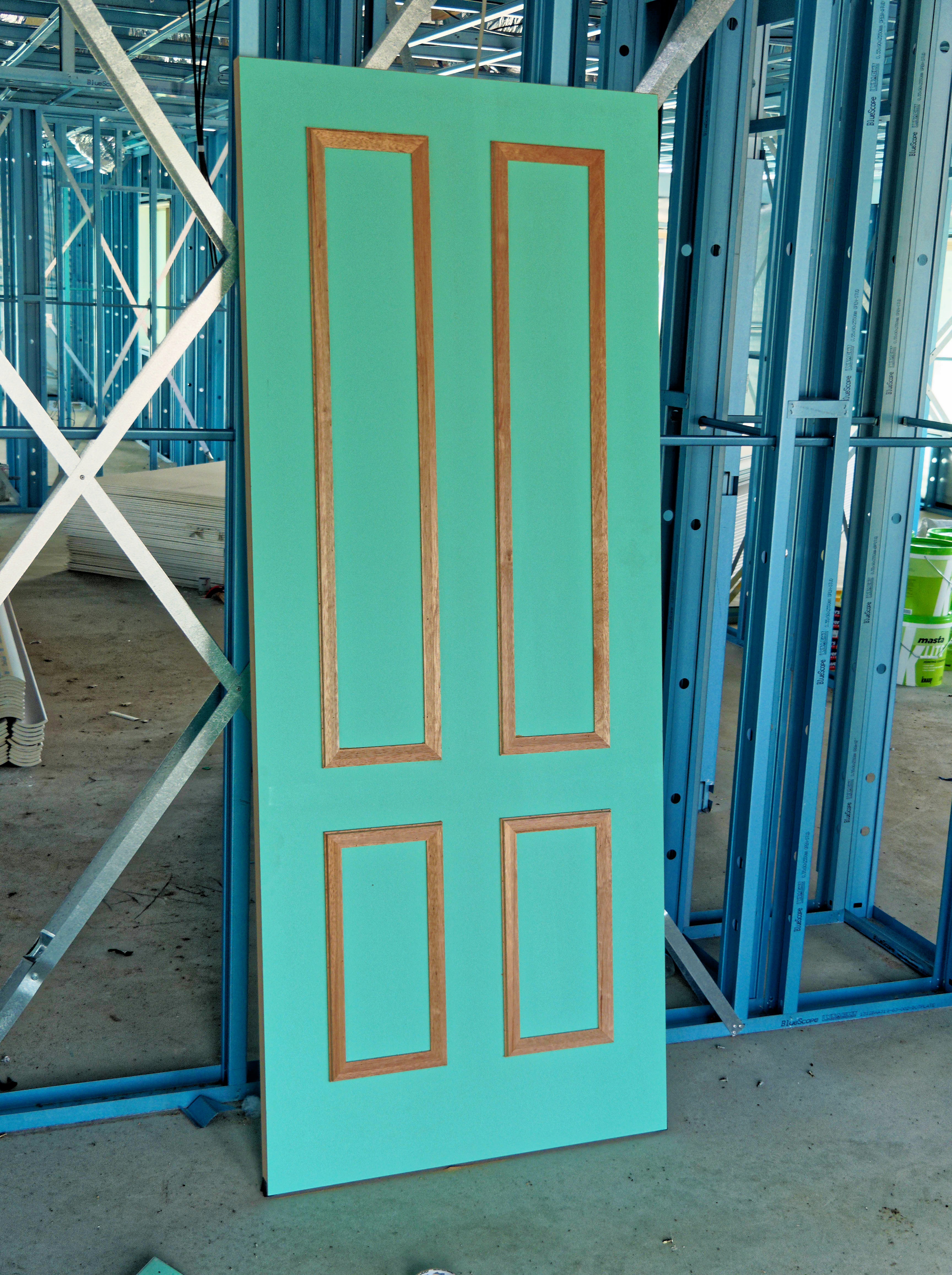
Front door? I've already
noted that I was surprised by the door they delivered:
It took until today to check all my documents, not helped by the appalling quality of the
text in the contract. But it clearly (if not overly intelligibly) states “Front
Door Selection XS3 Glazing KOOKABURRA
JEWEL Glass Options”. With only a few minutes working around Yet Another Broken
Web Site, found it on the Hume Doors web site, which, modulo glazing, looks like this:
I recall some discussion at the time that it might not be suitable for BAL 19, but we didn't change it,
probably because this document shows that all we need for the XS3 to reach BAL 19 is a metal mesh fly screen—something
that's already in the contract (item 4—1). Of course, maybe this is the door before
glazing. But the side panel has plain glass, which isn't correct. It's time to set things
right.
I'm doing a course on brain structure with Coursera. It's rather basic, but I've learnt a number of new things. One which
really blew my mind is the McGurk
effect, demonstrated in this extremely brief clip:
What you hear depends on two things: whether your eyes are closed or not, and who you are.
The sound is really what you hear with your eyes closed. With your eyes open, the
appearance of the face misleads you, but Yvonne, Chris and I
each heard a different sound (“gla—gla”, “fa—fa” and “da-da” respectively). It's so
fascinating because even when you know what he's saying, your brain is fooled into hearing
something else if you look at his lips.
That's not the only one, of course. YouTube has a
plethora of
them. I'm really surprised.
Into Ballarat again this morning for
more blood tests, this time such unusual ones that Pam, the nurse, had to look them up. It
wasn't until after I got home that I discovered that I had left my Android tablet there.
Maybe I'm subconsciously trying to get rid of it.
Then on to Wendouree to pick up some
free biology textbooks. He had left them outside his front door along with books on a
number of other topics. One was a folder about some chemical stuff
from ICI. Nothing I
needed, but it reminded me of my time in Welwyn Garden City.
Browsed through one of the textbooks—they're supposed to be university level, but the
oldest, published in 1962, was
for GCE 'O'
level, probably similar to what I would have learnt from had I done biology at school. It's
not much use as a textbook now, but it'll be interesting to see how it compares with modern
texts. And by coincidence it was written by a teacher in Welwyn Garden City, not exactly a
well-known place. Coincidences are funny things.
We've had another “bushfire” in Dereel.
Nothing overly serious, fortunately. 22 ha burnt, but no particular damage, no injuries.
This morning Dan from the CFA came by to
collect a donation we've been trying to make, and told me that it had started from an
overheated compost heap in Leigh Court, and quickly jumped
the Ballarat—Colac
road:
Not overly interesting until you consider that this is next to a property we investigated
last year. At the time it
was clear that last year's
bushfire had stopped at the east end of the property. This one stopped pretty much at
the south end (it's off to the left in the photo above, which looks east). A good thing we
didn't buy it.
Why is my DHCP not renewing its leases
cleanly? Started running a wiresharktrace on bootpc and discovered that
the DHCP server only responds when it feels like it:
10:04:36.806443 IP aussie-gw.lemis.com.bootpc > radiation-tower.aussiebb.net.bootps: BOOTP/DHCP, Request from 00:50:da:cf:07:35 (oui Unknown), length 300
10:04:40.807439 IP aussie-gw.lemis.com.bootpc > radiation-tower.aussiebb.net.bootps: BOOTP/DHCP, Request from 00:50:da:cf:07:35 (oui Unknown), length 300
10:04:50.808421 IP aussie-gw.lemis.com.bootpc > radiation-tower.aussiebb.net.bootps: BOOTP/DHCP, Request from 00:50:da:cf:07:35 (oui Unknown), length 300
10:04:57.809439 IP aussie-gw.lemis.com.bootpc > radiation-tower.aussiebb.net.bootps: BOOTP/DHCP, Request from 00:50:da:cf:07:35 (oui Unknown), length 300
10:05:12.810434 IP aussie-gw.lemis.com.bootpc > radiation-tower.aussiebb.net.bootps: BOOTP/DHCP, Request from 00:50:da:cf:07:35 (oui Unknown), length 300
10:05:35.811432 IP aussie-gw.lemis.com.bootpc > radiation-tower.aussiebb.net.bootps: BOOTP/DHCP, Request from 00:50:da:cf:07:35 (oui Unknown), length 300
10:06:15.812437 IP aussie-gw.lemis.com.bootpc > radiation-tower.aussiebb.net.bootps: BOOTP/DHCP, Request from 00:50:da:cf:07:35 (oui Unknown), length 300
10:07:24.813424 IP aussie-gw.lemis.com.bootpc > radiation-tower.aussiebb.net.bootps: BOOTP/DHCP, Request from 00:50:da:cf:07:35 (oui Unknown), length 300
10:07:24.860089 IP radiation-tower.aussiebb.net.bootps > aussie-gw.lemis.com.bootpc: BOOTP/DHCP, Reply, length 300
10:37:24.521438 IP aussie-gw.lemis.com.bootpc > radiation-tower.aussiebb.net.bootps: BOOTP/DHCP, Request from 00:50:da:cf:07:35 (oui Unknown), length 300
10:37:24.577935 IP radiation-tower.aussiebb.net.bootps > aussie-gw.lemis.com.bootpc: BOOTP/DHCP, Reply, length 300
Why all these requests without reply? Am I getting
some ICMP
messages relating to the issue? How do I catch them? The remote address
(radiation-tower.aussiebb.net) is my default gateway, so just tracing all ICMP
results in a lot of noise. Decided to make two separate traces, so that I can home in on
the correct time for the ICMPs. Left it running all day.
More DHCP traces today, both bootp and ICMP. Got some extreme examples of the problem:
18:21:25.932442 IP radiation-tower.aussiebb.net.bootps > aussie-gw.lemis.com.bootpc: BOOTP/DHCP, Reply, length 300 Last successful renewal 18:51:25.917433 IP aussie-gw.lemis.com.bootpc > radiation-tower.aussiebb.net.bootps: BOOTP/DHCP, Request from 00:50:da:cf:07:35 (oui Unknown), length 300
... 46 more unanswered requests 19:13:36.067439 IP aussie-gw.lemis.com.bootpc > radiation-tower.aussiebb.net.bootps: BOOTP/DHCP, Request from 00:50:da:cf:07:35 (oui Unknown), length 300
give up, send request to broadcast address 19:14:27.068420 IP aussie-gw.lemis.com.bootpc > 255.255.255.255.bootps: BOOTP/DHCP, Request from 00:50:da:cf:07:35 (oui Unknown), length 300
... 12 more unanswered requests 19:21:17.080421 IP aussie-gw.lemis.com.bootpc > 255.255.255.255.bootps: BOOTP/DHCP, Request from 00:50:da:cf:07:35 (oui Unknown), length 300
Issue a DHCPDISCOVER 19:21:26.099194 IP 0.0.0.0.bootpc > 255.255.255.255.bootps: BOOTP/DHCP, Request from 00:50:da:cf:07:35 (oui Unknown), length 300
Two replies in less than 300 ms 19:21:26.392024 IP radiation-tower.aussiebb.net.bootps > aussie-gw.lemis.com.bootpc: BOOTP/DHCP, Reply, length 300
19:21:26.396913 IP radiation-tower.aussiebb.net.bootps > aussie-gw.lemis.com.bootpc: BOOTP/DHCP, Reply, length 300
And this one? Why? 19:21:28.025623 IP 0.0.0.0.bootpc > 255.255.255.255.bootps: BOOTP/DHCP, Request from 00:50:da:cf:07:35 (oui Unknown), length 300
19:21:28.073020 IP radiation-tower.aussiebb.net.bootps > aussie-gw.lemis.com.bootpc: BOOTP/DHCP, Reply, length 300
On the other hand, the ICMP trace showed nothing at all.
There are a number of issues here:
If this is packet loss, you can expect the occasional dropout, but not 48 in a row over
a period of 30 minutes.
It's not an IP address issue, because 14 further requests to the broadcast address also
fail.
On the other hand, the first DHCPDISCOVER request gets not one, but two replies
within 300 ms, both from the same IP and MAC addresses (the latter not shown here, but
visible in the trace).
And then for some reason I issue another broadcast request. That's 1.6 seconds after
receiving the previous two, too long for a race condition.
Except for the last point, this suggests that there's something funny about the DHCP
configuration at the other end. But the last exchange was initiated by my dhclient,
and it results in the apparent reconfiguration of the interface:
Dec 30 19:21:28 eureka dhclient[14352]: unknown dhcp option value 0x52
Dec 30 19:21:28 eureka dhclient: New IP Address (xl0): 180.150.4.128
Dec 30 19:21:28 eureka dhclient: New Subnet Mask (xl0): 255.255.255.0
Dec 30 19:21:28 eureka dhclient: New Broadcast Address (xl0): 180.150.4.255
Dec 30 19:21:28 eureka dhclient: New Routers (xl0): 180.150.4.1
In fact, the values are unchanged. But there's something funny going on. As Peter Jeremy
points out, I have a second connection in Stones Road, and I can try monitoring things
there, both with a FreeBSDdhclient and
with an el-cheapo router.
Gradually most of the world is coming to recognize that keeping a whole people under siege
is not compatible with human rights and dignity. Nobody should understand that better than
the people whom Hitler nearly eradicated 70 years ago. But it's exactly those people who
have kept the Palestinian people in prison since 1967. How can the get away with it?
Ah, but they have a friend, a self-proclaimed defender of liberty. But that's their
liberty. And Israel's liberty, of course, and their legitimate security concerns, but not
somebody else's liberty. And they have a veto in
the UN Security
Council.
The Palestinians are fed up with waiting, though it has only been 47 years. And the
Israelis are building high-quality housing in the area. Why should the Palestinians
complain?
But complain they did, with a draft resolution submitted to the Security Council today. It
was defeated. Eight “yes” votes, five abstentions, and two “no” votes. Our defenders of
liberty were clearly one of them.
But Australia? No, that wasn't
Australia that voted no. It was this appallingly bad government that, in their ignorance,
marginally more than half of the population elected.
Still, Australia is a well-integrated multicultural state. All Australians will stand
behind the vote, especially the Muslim citizens who came here because of the catastrophic
conditions in the Middle East. I'm disgusted.
And isn't it time to reconsider who should have a veto in the Security
Council? Russia, who have flagrantly
violated Ukraine's
sovereignty? USA, who
invaded Iraq
and Afghanistan in the name of
liberty, using falsified evidence, and left both countries much worse off than when they
arrived? Isn't it time to forget who were the “winners” and “losers” of
the Second World War?
Do you have a comment about something I have written? This is a diary, not a
“blog”, and there is
deliberately no provision for directly adding comments. It's also not a vehicle
for third-party content. But I welcome feedback and try to
reply to all messages I receive. See the diary overview for more details. If you do
send me a message relating to something I have written, please indicate
whether you'd prefer me not to mention your name. Otherwise
I'll assume that it's OK to do so.